Imagine walking into a room that feels as cozy as a warm hug but also has the energy of a lively party. That’s the magic of layered lighting. It’s not just about flipping a switch; it’s about creating an atmosphere that dances with your mood. By combining ambient, task, and accent lighting, anyone can transform a dull space into a vibrant haven.
What Is Layered Lighting?
Layered lighting combines three essential types of illumination: ambient, task, and accent. Ambient lighting serves as the base, providing overall illumination that fills the room. Task lighting focuses on specific areas where activities take place, such as reading or cooking. Accent lighting highlights particular features or decor elements, creating depth and interest.
The interplay among these lighting types enhances the space’s functionality and aesthetics. For instance, combining a central chandelier with table lamps and wall sconces helps create an inviting atmosphere. These various light sources also contribute to the room’s versatility, allowing adjustments based on time of day or occasion.
Achieving balance among ambient, task, and accent lighting requires careful consideration of placement and intensity. Ambient lights should fill the area evenly, while task lights must offer sufficient focus without causing glare. Accent lights should create visual interest, drawing attention to artwork or architectural features.
Selecting fixtures plays a crucial role in layered lighting. Chandeliers, floor lamps, and recessed lighting can work together to establish a cohesive design. Different styles and materials can complement the room’s character, enriching the overall ambiance.
Incorporating dimmers allows for easy adjustment of lighting levels, enhancing mood and comfort. The layered approach enables individuals to customize environments based on personal preferences and activities. By thoughtfully combining these lighting elements, any space can become more functional and visually appealing.
Benefits Of Layered Lighting
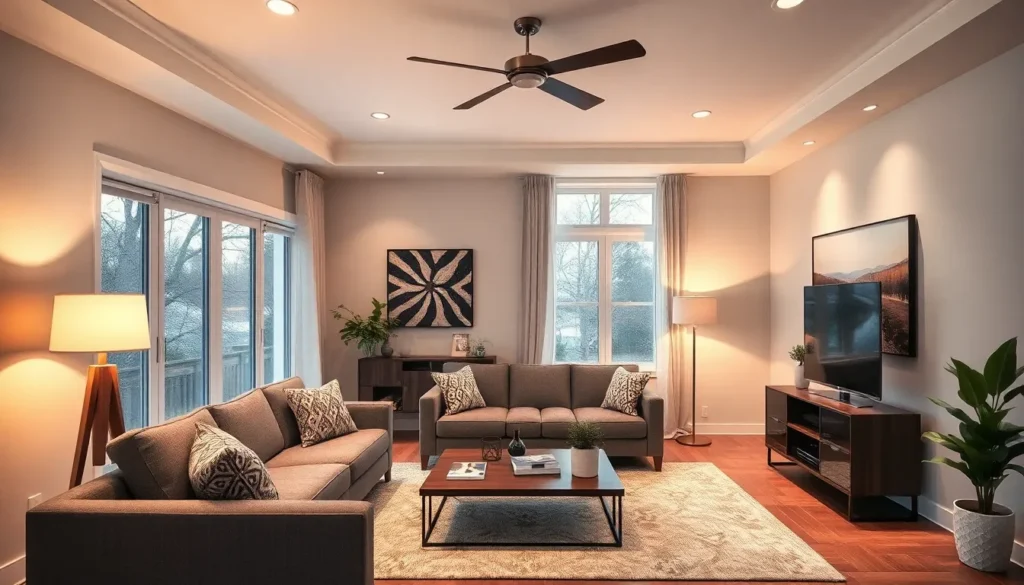
Layered lighting offers numerous advantages that contribute to a space’s overall appeal and functionality. This approach elevates the visual experience while enhancing everyday tasks.
Enhances Ambiance
Layered lighting creates an inviting atmosphere. By balancing ambient, task, and accent fixtures, it transforms a room’s mood. Warm ambient lighting fosters relaxation, while accent lights direct attention to artwork. Task lighting adds clarity for activities like reading or cooking. Each layer contributes uniquely to the overall experience, making spaces feel more dynamic and personalized. Adjustable fixtures allow for quick changes to match activities and emotional states, reinforcing comfort in diverse environments.
Improves Functionality
Functionality increases significantly with layered lighting. Specific areas gain focus through task lighting aimed at workspaces or kitchens. Ambient lighting ensures overall visibility and comfort in living areas. Accent lighting draws interest to design features, creating a cohesive look. This strategic approach allows for practical solutions and enhances daily life. Customization options such as dimmers let users adapt lighting based on time of day or desired activity, ensuring that each area serves its purpose effectively.
Types Of Layered Lighting
Layered lighting consists of three integral types: ambient, task, and accent lighting. Each type serves a distinct purpose, contributing to a well-rounded and functional space.
Ambient Lighting
Ambient lighting establishes the foundation of a room’s illumination. It creates a soft glow that fills the entire space, ensuring comfort and visibility. Common sources include ceiling-mounted fixtures, chandeliers, and wall sconces. This type sets the mood for the environment, making it essential in establishing a cozy atmosphere. Warm tones enhance relaxation, while brighter options energize the space.
Task Lighting
Task lighting provides focused lighting for specific activities. It directly illuminates workspaces such as desks, kitchens, and reading areas. Desk lamps, under-cabinet lights, and floor lamps are popular fixtures used to achieve this type. This lighting enhances visibility and clarity, making tasks such as reading, cooking, or studying effortless. By prioritizing functionality, task lighting significantly increases the effectiveness of daily activities.
Accent Lighting
Accent lighting adds visual interest by highlighting specific features within a space. It draws attention to artwork, architectural details, or decorative elements. Track lighting, recessed lights, and wall-mounted fixtures serve well for this purpose. This type creates depth and dimension, enriching the overall aesthetic. Strategically placed accent lights bring character to a room and contribute to an inviting atmosphere.
How To Implement Layered Lighting
Implementing layered lighting creates an inviting and functional space. Achieving this involves strategic selection of fixtures and balancing different light sources effectively.
Choosing The Right Fixtures
Selecting the appropriate fixtures is crucial for layered lighting. Ambient lighting often uses ceiling-mounted fixtures or chandeliers to distribute light evenly. For task lighting, table lamps or adjustable sconces suit areas where focused illumination is necessary. Accent lighting benefits from specialized fixtures like track lighting or wall-mounted spotlights, drawing attention to artwork or architectural details. Each fixture should complement the overall design theme while providing adequate illumination. Energy-efficient options like LED bulbs enhance both aesthetics and sustainability, promoting a comfortable environment.
Finding The Perfect Balance
Finding the perfect balance among lighting types enhances both function and ambiance. Ambient lighting serves as the foundation, while task and accent lighting enhance specific areas and features. Layer different intensities to ensure that each lighting type complements the others. Assessing the room’s purpose helps determine the ideal brightness levels for each area. Dimmers play a vital role in achieving this balance, allowing adjustments based on activities or time of day. Consistent integration among various lighting types creates a cohesive and inviting atmosphere throughout the space.
Layered lighting is a powerful tool for transforming any space into an inviting and functional environment. By skillfully combining ambient, task, and accent lighting, individuals can create a dynamic atmosphere that caters to various activities and moods. The careful selection and placement of fixtures play a pivotal role in achieving this balance.
Incorporating dimmers further enhances the versatility of layered lighting, allowing for seamless adjustments throughout the day. Ultimately, embracing this approach not only elevates the aesthetic appeal of a room but also significantly improves its practicality, making it a worthwhile investment for any homeowner.