In a world where turning on the lights feels more like a magic trick than a mundane task, home automation is stealing the show. Imagine walking into your home and having it greet you like a loyal butler, adjusting the temperature and dimming the lights—all without lifting a finger. This isn’t sci-fi; it’s the reality of the booming home automation business.
As technology continues to evolve, homeowners are trading in their old-school gadgets for smart systems that promise convenience, security, and a touch of flair. From voice-activated assistants that can order pizza to security cameras that can tell the difference between a squirrel and an intruder, the possibilities are endless. So, buckle up as we dive into the world of home automation and discover how it can transform everyday living into an extraordinary experience.
Overview of Home Automation Business
Home automation refers to the integration of technology into household systems, streamlining various functions for convenience and efficiency. Industry trends indicate significant growth, with an estimated market value of $80 billion by 2025. Homeowners increasingly favor connected devices, ensuring ease of control over lighting, security, and climate.
Smart home devices enhance security through surveillance systems and alarms that offer real-time notifications. Automated lighting systems adjust brightness based on time of day or occupancy, contributing to energy savings. Climate management solutions optimize heating and cooling, regulating temperatures according to user preferences.
The business model for home automation encompasses a range of products and services, including installation, programming, and ongoing support. Companies often provide tailored solutions, addressing individual customer needs and preferences. Suppliers focus on user-friendly interfaces, ensuring seamless integration across devices and platforms.
In addition, energy management is a growing focus within the industry. Smart thermostats and energy monitoring gadgets help users track consumption, leading to more sustainable choices. The convenience of voice-activated assistants further simplifies home management, allowing users to control various systems hands-free.
Partnerships between manufacturers and service providers strengthen the market. Collaborative efforts enhance product offerings and improve customer experience. The rise of IoT (Internet of Things) fosters innovation, enabling continuous connectivity among devices.
Investors are keen on this sector due to its promising future. Companies prioritize research and development, seeking advancements that improve functionality and user experience. Overall, the home automation business presents vast opportunities for growth and innovation, transforming how individuals interact with their living spaces.
Key Components of Home Automation
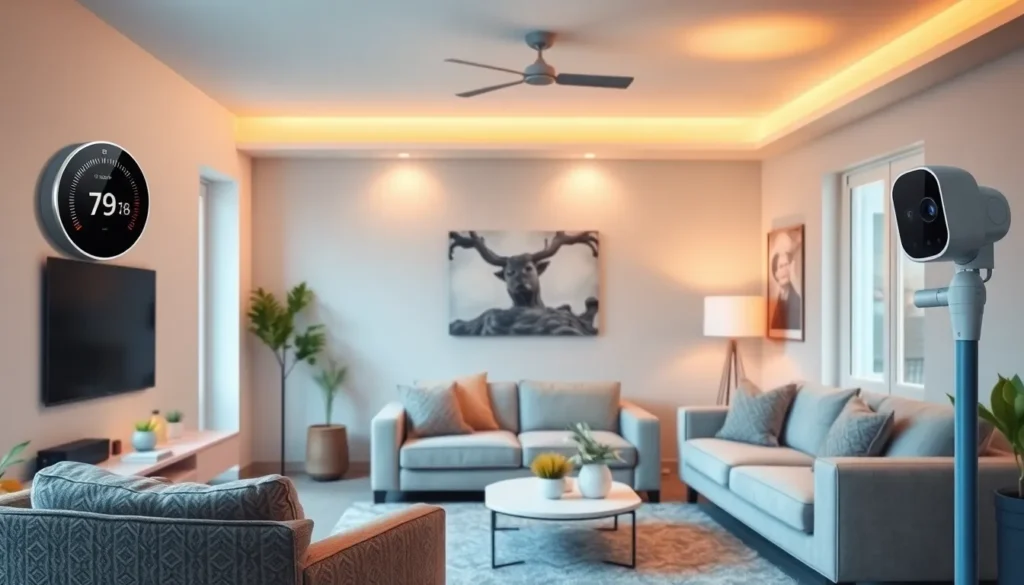
Home automation relies on several key components that enhance efficiency and control in modern living environments. These components include smart devices and integration solutions, essential for creating a seamless experience.
Smart Devices
Smart devices serve as the backbone of home automation systems. These devices include smart thermostats, lighting systems, security cameras, and door locks. Each device connects to a central hub or app, allowing users to manage their home environment remotely. For example, smart thermostats adapt to user habits, optimizing energy consumption and enhancing comfort. Furthermore, smart lighting can be programmed to adjust based on time of day or occupancy, contributing to energy efficiency. These functionalities not only elevate convenience but also promote security, providing real-time monitoring through connected surveillance systems.
Integration Solutions
Integration solutions enable diverse smart devices to work together, creating a cohesive system. These solutions often involve a central hub or a cloud-based platform that simplifies device management. For instance, users might control multiple devices through a smartphone app or voice-activated assistants. Compatibility with various protocols ensures seamless communication among devices. When security systems integrate with lighting and climate control, homeowners experience enhanced safety and peace of mind. Moreover, integration solutions facilitate automation routines, such as setting the alarm and turning off lights simultaneously, reflecting a significant advancement in home management capabilities.
Market Trends and Growth
The home automation market continues to evolve rapidly, driven by consumer interest and technological innovations. Significant growth is evident, with the market projected to reach a value of $80 billion by 2025.
Consumer Demand
Consumers increasingly prioritize convenience and efficiency in their homes. High demand for smart devices, including thermostats and lighting systems, reflects this trend. Interest in energy-saving technologies drives homeowners to seek solutions that optimize consumption. Enhanced security features also attract buyers, leading to a surge in the adoption of surveillance systems and smart locks. As awareness grows, more individuals prefer integrated home automation systems that simplify their daily routines.
Technological Advancements
Innovations in technology shape the home automation landscape. The Internet of Things (IoT) fosters greater connectivity among devices, allowing seamless integration. Voice-activated assistants enhance user interaction by enabling hands-free control of various systems. Advancements in artificial intelligence improve home automation functionality, making systems smarter and more responsive. Companies increasingly invest in research and development to enhance user experiences and expand device capabilities. As smart technologies continue to evolve, the potential for transformative home automation solutions increases.
Challenges in the Home Automation Industry
Home automation faces several challenges that can impact its growth. Security remains a pressing concern for many consumers.
Security Concerns
Cybersecurity threats expose vulnerabilities in connected devices. Hackers often exploit weak passwords or outdated firmware to gain unauthorized access. Consumers prioritize security features when selecting smart home products. Regular updates and strong encryption are essential for maintaining device integrity. Surveillance systems and alarms can deter intrusions, but companies must continuously enhance software security. Trust in these technologies hinges on effective measures that protect user data from breaches. Consumers seek reliable solutions that safeguard their homes against unauthorized access and potential cyber threats.
Interoperability Issues
Interoperability poses significant challenges for home automation systems. Many devices operate within proprietary ecosystems, limiting their compatibility. Users often struggle to connect devices from different brands or platforms. Seamless integration remains crucial for delivering an optimal user experience. Companies invest in universal protocols to foster compatibility among devices. Collaboration among manufacturers can address these interoperability issues, enhancing usability. Consumers expect systems to work cohesively, prioritizing simplicity and ease of control across multiple devices. The demand for reliable, integrated solutions drives industry innovation and development.
Best Practices for Starting a Home Automation Business
Establishing a home automation business requires thorough planning and execution. Identify target markets, such as residential homeowners or rental properties, to tailor services effectively. Research competitors to understand their offerings and identify gaps in the market.
Focus on essential services such as installation and programming of smart devices. Providing comprehensive support ensures customer satisfaction and fosters loyalty. Build a skilled team capable of troubleshooting and installing various systems.
Invest in marketing strategies that highlight industry growth. Emphasize the projected market value of $80 billion by 2025, enticing potential clients with the benefits of investing in smart systems.
Form partnerships with reputable manufacturers. Collaborative strategies often enhance product offerings and increase brand visibility in a competitive market. Leverage online platforms to promote services, utilizing social media and SEO techniques to reach a broader audience.
Stay informed about current trends in technology and customer preferences. Keeping up with advancements in the Internet of Things (IoT) and artificial intelligence helps in offering cutting-edge solutions.
Implement strong security measures from the start. Cybersecurity threats are significant issues in the home automation space, making it vital to prioritize encryption and regular software updates.
Consider creating demo installations to showcase products in real-life scenarios. Demonstrations allow potential customers to visualize the benefits of automation, increasing engagement.
Establish a feedback loop with clients to ensure services meet their needs. Hearing customer experiences helps refine offerings and improve overall satisfaction.
The home automation business stands at the forefront of innovation and convenience. As technology continues to advance the demand for smart devices and integrated systems will only grow. Entrepreneurs entering this market can tap into a wealth of opportunities by focusing on customer needs and prioritizing security.
With a projected market value of $80 billion by 2025 it’s clear that investing in home automation is a wise decision. By staying informed about trends and fostering partnerships with manufacturers businesses can enhance their offerings and ensure long-term success. Embracing the future of smart living is not just a trend; it’s a pivotal shift in how people manage their homes.