Choosing the right color scheme for a bedroom is like picking the perfect pair of socks—get it wrong, and you’ll be uncomfortable for a long time. The colors in a bedroom can set the mood, evoke emotions, and even influence sleep quality. Whether you’re dreaming of a serene sanctuary or a vibrant escape, the right palette can transform any space from drab to fab.
Imagine stepping into a room that feels like a warm hug or a refreshing breeze. With the right hues, a bedroom can become a personal retreat that reflects personality and style. So, let’s dive into the world of bedroom color schemes and discover how to make that dream space a reality. Because who wouldn’t want to wake up in a room that feels like a Pinterest board come to life?
Popular Bedroom Color Schemes
Choosing the right bedroom color scheme can enhance comfort and personal expression. Here are some popular options to consider.
Neutral Color Palettes
Neutral color palettes create a calming atmosphere in bedrooms. Shades like beige, gray, and soft whites promote tranquility and versatility. The beauty of neutral tones lies in their ability to pair well with various decor styles. Subtle variations in tone can introduce depth. For instance, combining taupe with ivory can add interest while maintaining a serene environment. Many find that these colors provide a perfect backdrop for accent pieces, such as art and textiles.
Bold and Vibrant Choices
Bold and vibrant colors energize and enliven bedroom spaces. Colors like deep blue, rich red, or bright yellow can make powerful statements. Those who embrace a maximalist approach often integrate multiple bold shades to create depth and personality. Mixing jewel tones, such as emerald and sapphire, can evoke a luxurious feel. With strategic placement, these colors influence mood and energy positively. Darker shades can also add coziness when balanced with light furniture or textiles.
Color Psychology in Bedrooms
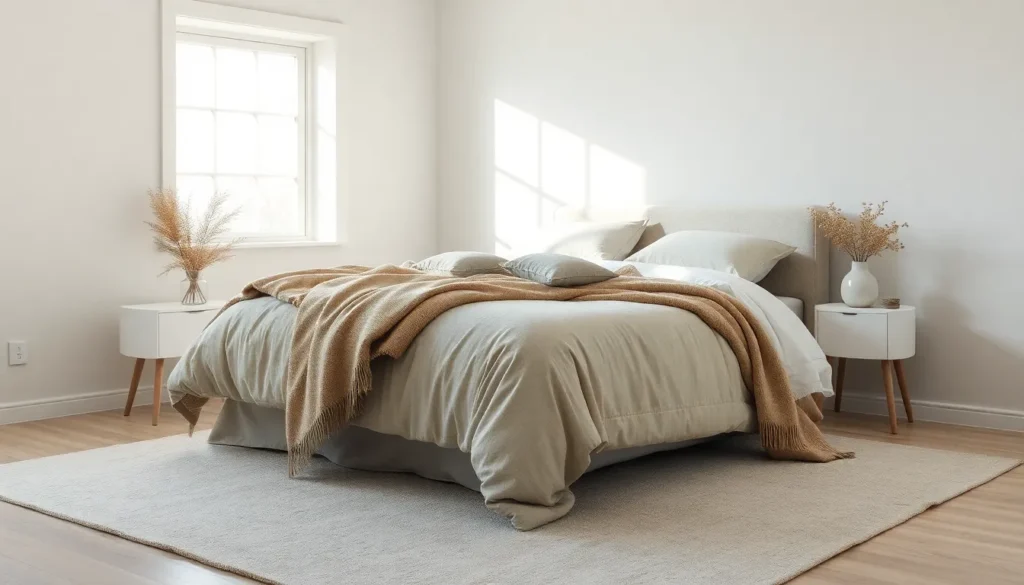
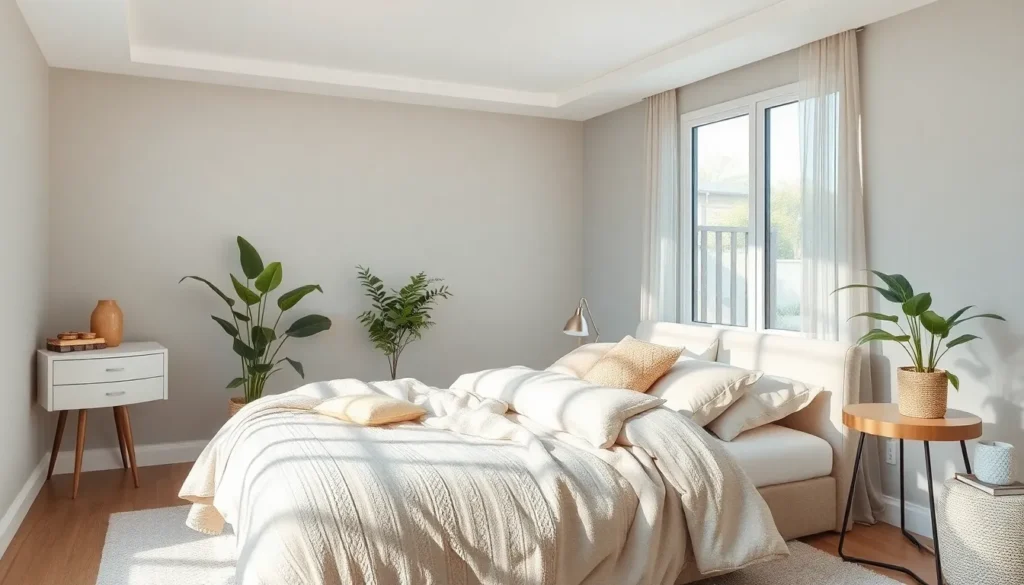
Colors in bedrooms significantly affect mood and emotional well-being. Choosing the right palette can promote relaxation and energy based on how colors interact with one’s emotions.
Effects of Colors on Mood
Warm hues like red and orange can evoke strong feelings of warmth and energy. These tones inspire passion, making them suitable for stimulating environments. Conversely, cool shades such as blue and green promote calmness and peace. Green, often associated with nature, can create a refreshing ambiance. Neutral colors foster versatility, adapting easily to various personal tastes and styles. Each individual’s emotional response varies; one person’s serene blue might energize another. Understanding color psychology enables better choices for a desired emotional outcome.
Creating a Relaxing Atmosphere
Selecting soft hues contributes significantly to a tranquil environment. Light grays and subtle beiges induce calm, offering serenity in the bedroom. Layers of these shades will yield a soothing background, enhancing comfort. Incorporating muted tones alongside plush textiles can heighten relaxation. Elements like natural light also enhance the effects of these calming colors, creating a harmonious space. Thoughtful combinations of color and texture foster a peaceful haven for rest and rejuvenation. Ultimately, aiming for an inviting retreat empowers deeper relaxation and restorative sleep.
Tips for Choosing Bedroom Colors
Selecting the right colors for a bedroom requires thoughtful consideration. Factors such as room size and lighting play a significant role in achieving the desired ambiance.
Considering Room Size and Lighting
Small rooms benefit from lighter colors, as these shades create an illusion of space. A light palette amplifies natural light, giving the room an airy feel. Conversely, larger spaces can accommodate darker colors, adding warmth and coziness. Optimizing lighting is crucial; bright rooms can handle vibrant hues, while dim areas require softer tones to maintain a gentle atmosphere. Window placement influences how colors appear, so testing swatches at different times of day helps refine choices.
Personal Style and Preferences
Personal style significantly impacts color selection. Identifying favorite hues creates a sense of comfort and belonging. Those who favor minimalism often choose neutrals for a clean backdrop, enabling accent pieces to shine. In contrast, bold personalities might embrace striking colors, crafting a vibrant sanctuary. Patterns and textures complement solid colors, enhancing overall appeal. Experimenting with combinations allows individuals to curate a space reflecting their identity, promoting a harmonious retreat. Balancing personal preferences with psychological effects can optimize a bedroom’s atmosphere.
Complementary Decor Ideas
Creating a cohesive look in a bedroom requires thoughtful decor choices that complement the chosen color scheme. Well-selected furniture and accessories can enhance the overall ambiance.
Matching Furniture and Accessories
Furniture colors should align with the bedroom’s palette. For instance, a soft beige or gray bed frame pairs well with neutral walls, maintaining a calming vibe. Bright accent chairs can energize a space featuring muted tones, providing contrast and visual interest. Accessories like lamps and artwork should reflect the primary color scheme; coordinating hues can enhance unity in design. Finishing touches, such as cushions in matching tones, can tie the entire look together seamlessly. When selecting finishes, consider textures that harmonize with the chosen colors, creating a more inviting atmosphere.
Layering Textures and Patterns
Layering textures adds depth to bedroom decor. Soft, plush textiles like throws and rugs create cozy spaces that invite relaxation. Utilize patterned pillows that echo the room’s colors, injecting personality while enhancing visual appeal. Notable contrasts can be achieved through mixing materials, such as a smooth silk duvet with a knitted throw. Incorporating various patterns—like geometric or botanical prints—within the same color family creates a dynamic yet cohesive look. Balance is vital; too many competing patterns can be overwhelming, so aim for harmony in variety.