Imagine walking into your home and having the lights flicker on like a scene from a sci-fi movie. Home automation switches are here to turn that dream into reality, making life not just easier but a whole lot cooler. These nifty gadgets let you control your lights, fans, and even your coffee maker with just a tap on your smartphone or a simple voice command. Who knew being lazy could feel so sophisticated?
But it’s not just about convenience. Home automation switches can help save energy and cut down on those pesky electricity bills. Plus, you can impress your friends with your tech-savvy lifestyle. Forget fumbling for light switches in the dark; with these smart switches, you’ll be the master of your domain. Embrace the future of home living and discover how these little devices can transform your space into a smart haven.
Overview of Home Automation Switches
Home automation switches offer a modern approach to controlling household devices. They simplify daily tasks by integrating technology into everyday life.
What Are Home Automation Switches?
Home automation switches are smart devices designed to control electrical appliances remotely. These switches connect to a home’s Wi-Fi network, allowing operation through smartphones or voice assistants. Users can manage lights, fans, and other devices from anywhere, promoting convenient living. New models may include features like scheduling and energy monitoring, enhancing their functionality in smart homes.
Benefits of Using Home Automation Switches
Using home automation switches results in significant convenience. Users can control multiple devices simultaneously, streamlining their daily routines. Energy efficiency improves as smart switches enable users to monitor and reduce energy consumption. Many models afford compatibility with existing systems, making them easy to integrate. Impressively, programming these switches creates automated actions, further simplifying home management.
Types of Home Automation Switches
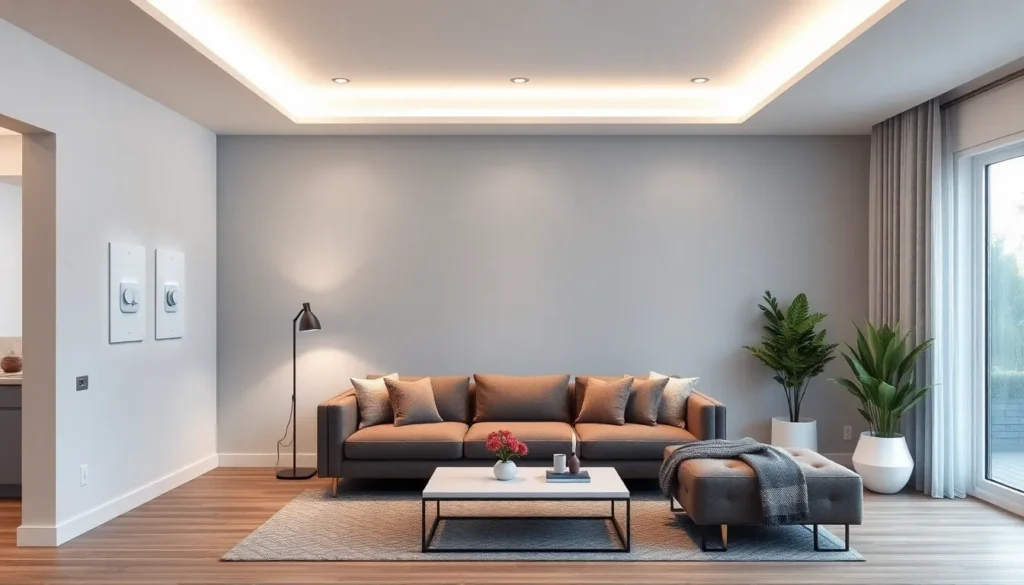
Home automation switches come in various types, each designed to enhance convenience and efficiency. Understanding their distinct functionalities helps users choose the right solutions for their needs.
Smart Light Switches
Smart light switches offer control over lighting from smartphones or voice assistants. These switches replace traditional ones, allowing users to adjust brightness or schedule lights remotely. Often, smart light switches feature compatibility with smart home ecosystems, making integration seamless. Many models support dimming options, enabling users to create specific atmospheres. With energy monitoring capabilities, they provide insights into electricity usage.
Smart Plug Switches
Smart plug switches enable remote control of everyday devices plugged into outlets. Users can automate appliances like coffee makers or fans, enhancing convenience in daily routines. These plugs connect to home Wi-Fi, allowing operation through dedicated apps or voice commands. Many smart plugs come with scheduling features, letting users program activation times for energy savings. Compatibility with various home automation platforms simplifies integration with existing systems.
Dimmer Switches
Dimmer switches enhance control over lighting intensity in any room. Users can effortlessly adjust brightness levels based on activities or moods. These switches often include smart features, allowing remote adjustments via smartphone apps. Many dimmer switches support energy-efficient LED bulbs, ensuring users reduce electricity consumption. With easy installation, they integrate seamlessly into existing setups, providing a modern touch to lighting controls.
Installation of Home Automation Switches
Installing home automation switches can enhance convenience in managing household devices. Two main options exist: DIY installation and hiring professional services.
DIY Installation Tips
DIY installation of home automation switches is feasible for many users. Start by turning off power at the circuit breaker to ensure safety. Remove the existing switch and take note of the wiring layout. Connect the new switch according to the specific wiring instructions provided by the manufacturer. Securely attach the switch to the electrical box, then restore power and test functionality. Use mobile apps for setup, allowing customization of features like scheduling and voice activation. Ensure compatibility with Wi-Fi networks to enable remote access.
Professional Installation Services
Hiring professional installation services ensures the process goes smoothly. Licensed electricians possess the knowledge and skills necessary for proper setup. They can handle any wiring complexities, minimizing the risk of damage or safety hazards. Many professionals offer consultation on selecting the best home automation switches based on user needs. Expect to receive support for integrating these devices with existing systems and troubleshooting setup issues. Investing in professional help can result in a seamless transition to a fully automated home environment.
Compatibility with Home Automation Systems
Home automation switches easily integrate with various systems to enhance functionality and user experience.
Integration with Voice Assistants
Amazon Alexa, Google Assistant, and Apple HomeKit support many home automation switches. Users benefit from hands-free control through voice commands. This ability allows for seamless operation of lights, appliances, and more. Some models even provide compatibility with multiple voice assistants, giving users flexibility in their preferences. For instance, a smart light switch can respond to voice requests to turn on or off, adjust brightness, or set a specific ambiance.
Interoperability with Other Smart Devices
Home automation switches interact with a wide range of smart devices. They connect effortlessly with sensors, cameras, and thermostats, creating a cohesive smart home environment. Interoperability allows for automated routines among devices. For example, a smart plug can initiate device actions when a motion sensor triggers. Manufacturers design these switches to work within ecosystems like Zigbee and Z-Wave, ensuring compatibility with many brands. This widespread compatibility enhances the utility and efficiency of a connected home, streamlining daily routines.
Home automation switches represent a significant leap in modern living. By embracing this technology, individuals can elevate their home management experience while enjoying enhanced convenience and energy efficiency. The ability to control appliances remotely not only simplifies daily routines but also contributes to a more sustainable lifestyle.
With various types available, from smart light switches to dimmer switches, there’s a solution for every need. Whether opting for DIY installation or professional help, integrating these devices into a home paves the way for a seamless smart living environment. Embracing home automation switches is a smart choice for anyone looking to modernize their space and enhance their quality of life.