Imagine stepping into a cozy cabin where the scent of pine mingles with freshly brewed coffee. Cabin interiors are more than just walls and furniture; they’re a warm embrace that invites relaxation and adventure. Whether it’s a rustic retreat in the mountains or a chic lakeside escape, the right cabin design can transform a simple getaway into a memorable experience.
From log beams to modern aesthetics, cabin interiors offer endless possibilities for creativity. They blend comfort with style, making it easy to unwind after a day of exploring nature. So, if you’re ready to ditch the mundane and elevate your space, let’s dive into the delightful world of cabin interiors. Get ready to discover how to make your cabin not just a place to stay, but a haven of charm and character.
Overview of Cabin Interiors
Cabin interiors serve as the foundation for comfort and style. A well-designed interior combines aesthetics with functionality, creating a relaxing sanctuary. Various design styles, including rustic, modern, and minimalist, offer unique opportunities for personalization.
Materials used in cabin interiors also play a significant role. Wood, stone, and natural textiles bring warmth and a sense of connection to nature. Large windows allow natural light to flood the space, enhancing the ambiance and creating a seamless transition between indoor and outdoor environments.
Color schemes significantly impact the mood within cabin interiors. Earthy tones, such as browns and greens, evoke tranquility, while brighter accents add personality. Thoughtful selection of furniture and decor establishes harmony and balance.
Versatile layouts accommodate different activities. Open floor plans promote social interactions, while cozy nooks provide private retreats for reading or contemplation. Multi-functional furniture maximizes space and enhances usability without sacrificing style.
Lighting design contributes to the overall atmosphere. Layered lighting techniques create depth and highlight focal points, from artwork to architectural features. Incorporating ambient, task, and accent lighting enhances the interior experience.
Personal touches personalize cabin interiors. Family heirlooms, local art, and travel souvenirs enrich the space, telling a story unique to each owner. Decorative elements bridge the gap between functionality and style, reinforcing the cabin as a reflection of its inhabitants.
Key Elements of Cabin Interior Design
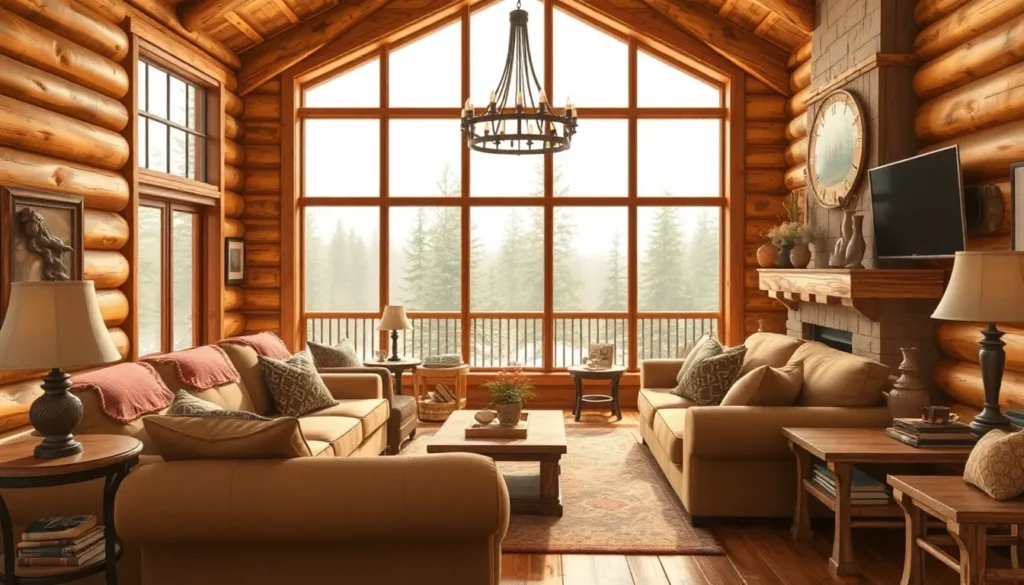
Cabin interior design incorporates essential elements that shape comfort and style. Key components like furniture, color schemes, and lighting techniques contribute significantly to the overall aesthetic and functionality of the space.
Furniture Selection
Choosing furniture defines the intimacy of the cabin space. Prioritize comfort with oversized sofas and plush armchairs that invite relaxation. Integrating rustic wooden tables complements the natural surroundings. Consider multi-functional pieces that optimize space without sacrificing style. Incorporating storage solutions helps maintain organization. Explore items crafted from natural materials to enhance warmth and charm.
Color Schemes
Color schemes influence the mood of cabin interiors significantly. Earthy tones, such as browns, greens, and soft grays, create a serene environment. Accents in warmer colors, like burnt orange or deep red, add character and depth. Coordinating colors with the scenery enhances the overall aesthetic. Incorporate these palettes through furnishings, wall paint, and decorative accessories. Balance between bold and muted shades fosters visual interest while maintaining a cohesive look.
Lighting Techniques
Effective lighting design transforms cabin interiors dramatically. Layered lighting, which combines ambient, task, and accent options, enhances functionality and atmosphere. Opt for natural light sources through large windows, bringing the outdoors in. Choose decorative fixtures, like chandeliers or rustic sconces, to add style and warmth. Use dimmers to adjust brightness, allowing flexibility for different activities. Strategic placement of lights highlights architectural features and creates cozy nooks throughout the cabin.
Popular Cabin Interior Styles
Cabin interiors reflect various styles, each offering unique comforts and aesthetics. Readers can explore options like rustic, modern, and Scandinavian designs to enhance their cabin experience.
Rustic Cabin Interiors
Rustic cabin interiors use natural materials to evoke warmth and charm. Wooden beams, stone fireplaces, and handcrafted furniture create a cozy atmosphere. Earthy tones dominate color palettes, while textiles such as wool and linen add texture. Natural light enhances these spaces, often funneling from oversized windows. Personal elements, like vintage decor and family heirlooms, reinforce the unique character of rustic cabins.
Modern Cabin Interiors
Modern cabin interiors prioritize clean lines and minimalism, creating a sophisticated retreat. Neutral colors, combined with splashes of color, set a chic tone. Large windows bring in ample light, connecting indoor spaces with the outside landscape. Functional furniture, often multi-purpose, maximizes space without clutter. Sleek designs complement technology, integrating comfort with contemporary living. Innovative lighting solutions add to the ambiance, ensuring a warm, inviting feel.
Scandinavian Cabin Interiors
Scandinavian cabin interiors focus on simplicity and functionality, embodying a sense of calm. Light wood and pale color schemes characterize these spaces, promoting openness and airiness. Natural elements play a crucial role, with greenery adding life to the decor. Cozy textiles, such as fur and knit blankets, create warmth amidst minimalist furnishings. Practical layouts support social interactions while maintaining serene corners for solitude. Thoughtful lighting enhances the inviting atmosphere, blending style with purpose.
Tips for Enhancing Cabin Interiors
Enhancing cabin interiors focuses on creating inviting and functional spaces. Innovative design choices elevate coziness and functionality.
Space Optimization
Maximizing space within a cabin involves strategic furniture arrangement. Multi-functional furniture pieces, like sofa beds or ottomans with storage, create versatility. Choosing smaller, lightweight furniture allows for flexibility, making it easy to rearrange the room as needed. Open shelving instead of bulky cabinets maintains a spacious feel and displays decor. Utilizing wall space for hanging hooks or ladder shelves helps keep the floor clear while adding charm. Integrating sliding doors can save space and improve flow throughout the cabin.
Creating a Cozy Atmosphere
Establishing a cozy atmosphere requires thoughtful layering of textures and colors. Soft textiles, like plush throws and area rugs, invite relaxation while adding warmth. Natural wood materials for furniture create a rustic charm, blending seamlessly with surroundings. Choosing earthy color palettes enhances the cabin’s connection to nature. Warm lighting options, such as table lamps or string lights, help create a soft ambiance during evenings. Incorporating personal touches, like family photos or handcrafted items, adds character and encourages a homely feeling. Lastly, ensuring proper airflow with well-placed windows enhances comfort while allowing natural light to brighten the space.
Cabin interiors serve as a canvas for personal expression and comfort. By thoughtfully combining design elements like materials colors and lighting, anyone can create a unique retreat that resonates with their style.
Whether opting for rustic charm or modern simplicity the key lies in balancing aesthetics with functionality. Embracing natural elements and incorporating personal touches can transform any cabin into a cozy haven.
Ultimately the journey of designing a cabin interior is about crafting an inviting space that enhances relaxation and fosters unforgettable memories.