Imagine walking into a room and having the lights greet you like an old friend. Automated lighting solutions make that dream a reality, transforming homes and workplaces into smart, energy-efficient havens. These clever systems not only save energy but also add a sprinkle of convenience that makes life just a bit easier—because who really wants to fumble for a switch when you can just say “let there be light”?
Overview of Automated Lighting Solutions
Automated lighting solutions enhance lighting control through smart technology. These systems utilize sensors and timers to adjust illumination based on occupancy and time of day. Users experience increased convenience as they can manage lights remotely via smartphones or voice commands.
Energy efficiency represents a significant advantage. Automated systems reduce energy consumption by ensuring lights operate only when necessary. Studies indicate that utilizing automated lighting can lead to energy savings of up to 30%.
Smart technology integration further boosts effectiveness. Many automated lighting solutions work seamlessly with home automation systems, enabling cohesive control over various devices. This integration allows users to create customized lighting scenes for different activities or times of day.
Safety also benefits from automated lighting. Motion sensors trigger lights in entryways or hallways, providing visibility and deterrence against potential intruders. This feature reinforces security for both residential and commercial spaces.
Various types of automated lighting solutions exist. Smart bulbs offer easy installation and control through apps. More advanced systems include wired fixtures that integrate with existing electrical setups. Users can choose the solution that best fits their needs and lifestyle.
Affordability improves as technology advances. Prices for automated lighting systems have decreased, making them accessible to a broader audience. Brands compete to enhance functionality without sacrificing cost, ensuring options fit within diverse budgets.
Automated lighting solutions represent a clever blend of technology and practicality. These solutions provide flexibility, energy savings, and enhanced security, making them an intelligent choice for modern living.
Benefits of Automated Lighting Solutions
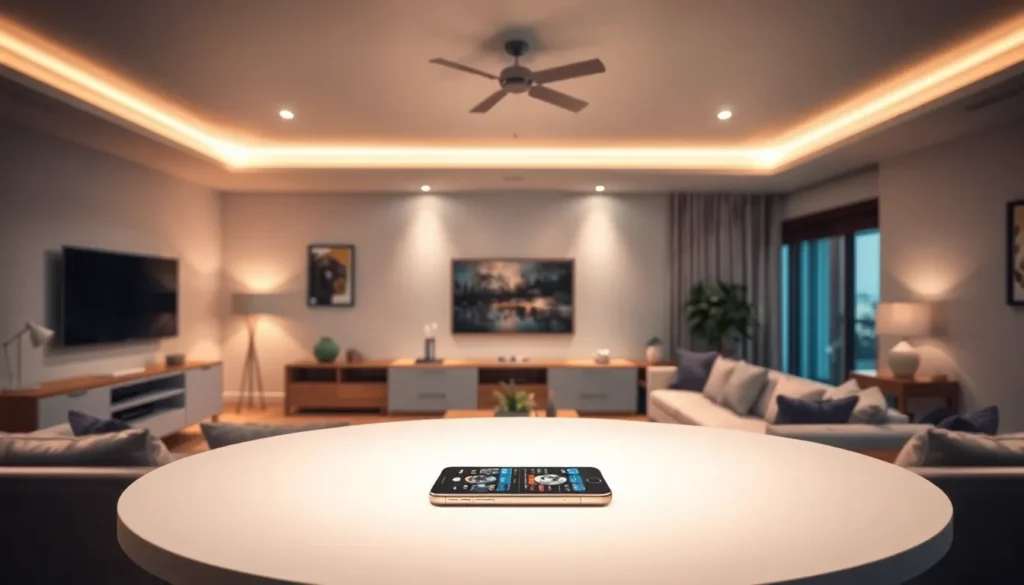
Automated lighting solutions offer significant advantages, transforming spaces into smart environments. Key benefits include energy efficiency and enhanced convenience.
Energy Efficiency
Automated lighting helps reduce energy consumption considerably. Users can save up to 30% on energy bills by utilizing smart technology. Sensors detect occupancy, turning lights off when no one is present. Timers adjust illumination based on specific needs, aligning light availability with daily routines. Advanced systems integrate with home automation, allowing users to optimize energy usage seamlessly. These solutions support environmentally friendly practices, contributing to a sustainable future.
Enhanced Convenience
Automated lighting enhances everyday life by simplifying control. Smart technology enables users to manage lights through smartphones or voice commands from anywhere. Scene customization allows specific settings for various activities, creating the perfect ambiance. Schedule settings adjust lighting automatically, ensuring homes and workplaces maintain desired brightness. Accessible features eliminate the need for manual switches, promoting effortless operation. This convenience extends to safety, as motion sensors ensure lights activate when needed, providing peace of mind.
Types of Automated Lighting Solutions
Automated lighting solutions come in various forms, each offering unique features for enhanced control and convenience. Below are the primary types available.
Smart Bulbs
Smart bulbs provide an easy entry point into automated lighting. These LED lights connect to Wi-Fi and allow control through smartphone apps or voice commands. Users can adjust brightness and color settings to fit moods or activities. Brands like Philips Hue and LIFX offer extensive customization options, enabling users to create personalized lighting scenes. Installation is typically simple, requiring only a standard light socket. With features such as scheduling and remote access, smart bulbs promote energy efficiency while minimizing manual operation.
Motion Sensors
Motion sensors enhance safety and convenience by detecting movement and activating lights automatically. These devices work well in entryways, hallways, and outdoor areas, ensuring lights turn on when someone approaches. For instance, a motion-activated light can illuminate dark paths, improving visibility and security. Options include passive infrared sensors, which detect body heat, and ultrasonic sensors that send out waves to sense movement. Integrating motion sensors with existing lighting fixtures is generally straightforward, allowing for rapid implementation and significant energy savings.
Schedule-Based Systems
Schedule-based systems allow users to set specific times for lighting adjustments. These systems can align with daily routines, automating light activation and deactivation. For example, users might program lights to turn on at sunset and off at bedtime. Many schedule-based solutions operate via smart hubs or apps, simplifying control across multiple rooms. This method enhances energy efficiency by ensuring lights operate only when needed. Additional features may include randomization options for improved security when away from home.
Key Features to Consider
Automated lighting solutions come with essential features that enhance their functionality and user experience. Evaluating these features helps determine the best fit for specific needs.
Compatibility with Smart Home Systems
Compatibility plays a crucial role in choosing automated lighting systems. Many systems integrate seamlessly with popular smart home ecosystems, such as Amazon Alexa, Google Assistant, and Apple HomeKit. Ensuring compatibility allows for unified control of various smart devices, from thermostats to security cameras. Automated lights can work together with other devices, creating customized settings or routines. For example, lights can brighten when the smart thermostat indicates a rise in activity. Investing in a system that supports these integrations provides flexibility and adaptability within a smart home setup.
Remote Control Options
Remote control options enhance convenience for users managing automated lighting. Many lighting systems offer mobile apps that allow users to adjust settings, turn lights on or off, and schedule routines from anywhere. Some systems support voice commands, providing hands-free control through smart speakers. These features enable users to create specific lighting scenes for different occasions, such as movie nights or dinner parties, with just their voice or a tap on their phone. With remote access, users stay in control, ensuring safety and energy savings even when away from home.
Automated lighting solutions represent a significant leap towards smarter living. By embracing these systems, users not only enjoy unparalleled convenience but also contribute to energy efficiency and safety. The ability to control lighting through smartphones or voice commands simplifies daily routines while enhancing security through motion detection.
With a range of options available, from smart bulbs to advanced wired systems, there’s a solution for every need and budget. As technology continues to evolve, the accessibility and affordability of automated lighting will further encourage its adoption. Investing in these solutions paves the way for a more sustainable and efficient future, making everyday life easier and more secure.