Home automation promises a world where lights turn on with a wave of a hand and coffee brews at the mere thought of waking up. Sounds dreamy, right? But before diving headfirst into this tech wonderland, it’s crucial to navigate the murky waters of home automation challenges. From compatibility issues that make your devices act like moody teenagers to security concerns that could turn your smart home into a not-so-smart nightmare, the journey isn’t always smooth.
Overview of Home Automation Challenges
Home automation offers convenience but also presents several challenges. Compatibility issues arise when devices from different manufacturers fail to work seamlessly together. Often, proprietary technologies limit interoperability, frustrating users who invest in multiple smart devices.
Security concerns also represent a major challenge. Many smart home devices connect to the internet, making them vulnerable to hacking attempts. Cybersecurity threats can compromise personal data, leading to unauthorized access to home systems.
Complexity in setup and management further complicates the home automation experience. Users frequently encounter user interfaces that differ significantly among devices. Navigating these interfaces can lead to confusion, particularly for those unfamiliar with technology.
Installation can also pose significant hurdles. While some devices allow for simple plug-and-play features, others demand advanced technical skills. Proper installation may require professional help, incurring additional costs.
Dependability issues may arise as well, especially with devices that depend on cloud services. Service outages can temporarily disable connected devices, hindering their functionality. Users expecting a reliable experience must consider this potential drawback.
Lastly, understanding the ongoing costs associated with home automation is key. Purchasing the devices is just the start. Maintenance, software updates, and added subscriptions can become significant ongoing expenses.
Awareness of these challenges is essential for individuals considering investments in home automation. Mitigating issues such as compatibility, security, and complexity can lead to a more satisfactory experience.
Common Technical Challenges
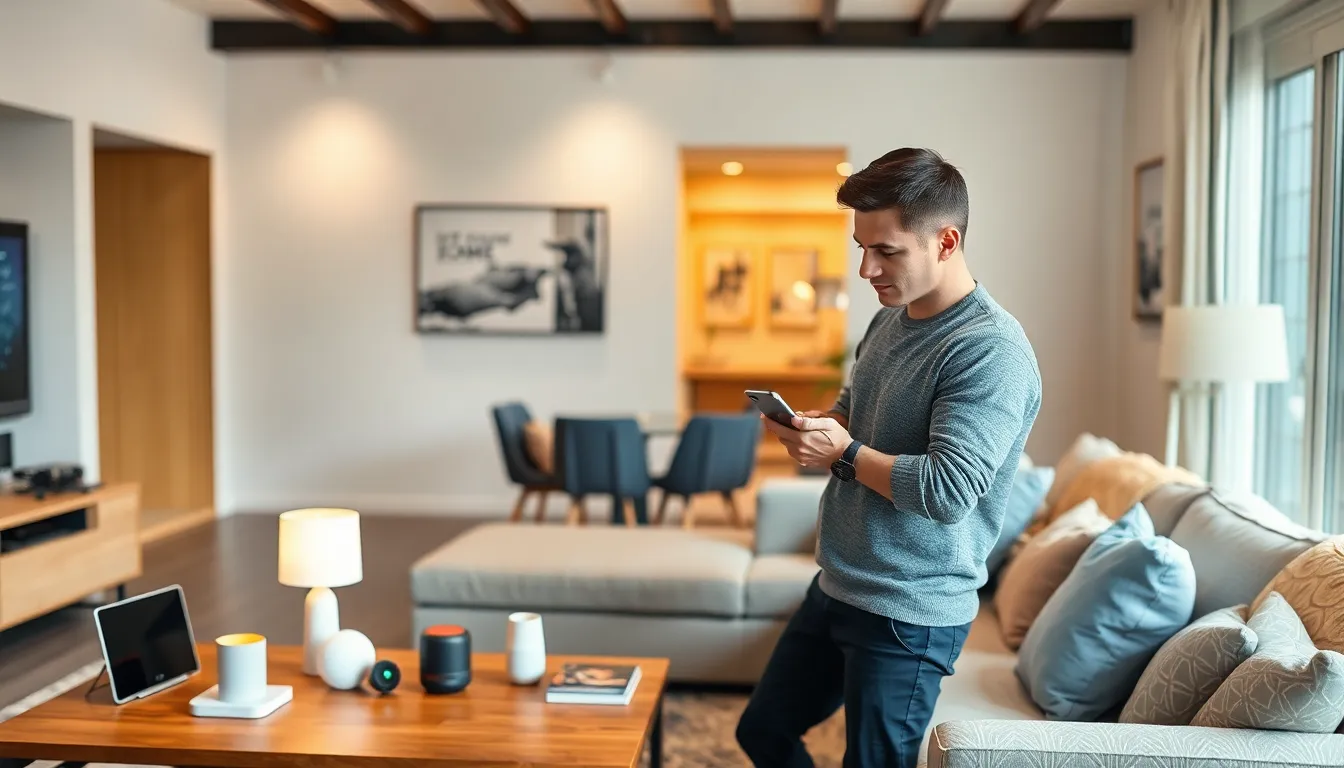
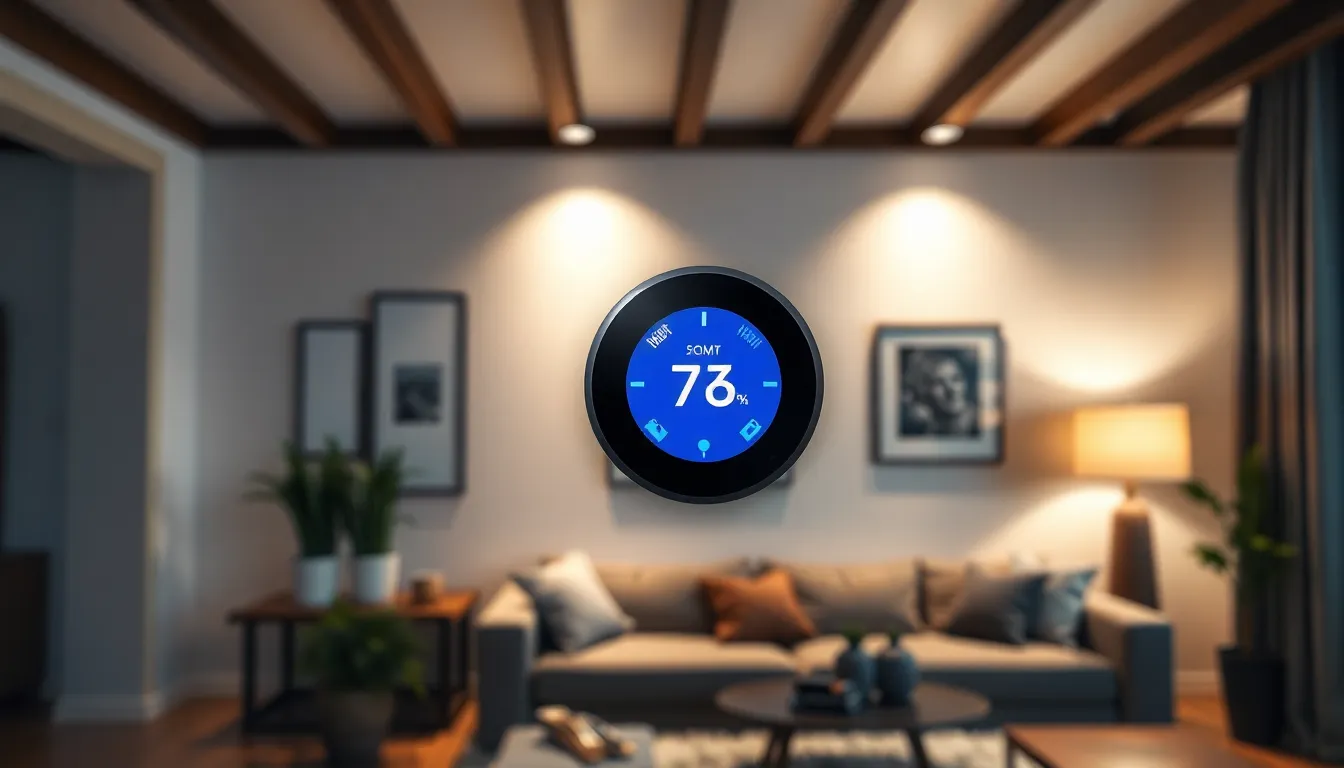
Home automation presents several technical challenges that users encounter. Understanding these challenges helps maintain a seamless smart home experience.
Connectivity Issues
Connectivity issues frequently disrupt home automation systems. Wi-Fi networks may not cover the entire home, leading to dead zones where devices cannot communicate effectively. Range extenders might improve this, but they introduce additional points of failure. Smart devices could also rely on differing wireless protocols, complicating their ability to connect. Signal interference from other electronics can further hinder performance, risking a delayed response or failure to function entirely. Maintaining a stable internet connection directly impacts the reliability of smart home devices.
Compatibility Problems
Compatibility problems arise when different brands or models of smart devices interact. Proprietary technologies often create barriers, forcing users to choose products from the same manufacturer for optimal performance. This limits flexibility and choice in selecting devices. New devices may not integrate with existing systems, leading to frustration during setup. Regular firmware updates, while essential, can inadvertently introduce compatibility issues during sync operations. Addressing these obstacles requires careful planning and often significant research to ensure all devices work together seamlessly.
Security and Privacy Concerns
Home automation introduces significant security and privacy challenges. Addressing these concerns is vital for ensuring smart home safety.
Data Vulnerability
Sensitive data stored on smart devices often attracts cybercriminals. Devices that connect to the internet may transmit personal information without adequate encryption. Risks increase with each additional device established in the network. Cloud services used for storing data can become targets for breaches. Security flaws in software or hardware can compromise user information. If hackers gain access, they can exploit vulnerabilities for malicious purposes. Manufacturers must prioritize regular software updates and strong encryption methods to protect consumer data.
Unauthorized Access
Unauthorized access remains a constant threat in smart homes. Many devices lack robust security features, making them easy targets for hackers. Default passwords often go unchanged, leading to increased risk of infiltration. Smart locks, security cameras, and other connected devices can inadvertently expose homes to intruders if not secured properly. Multi-factor authentication serves as one method to strengthen access control. Regularly updating passwords and utilizing unique codes for devices enhance security measures. Users must consciously adopt strong practices to guard against potential unauthorized access effectively.
Usability and Accessibility Challenges
Home automation systems present unique usability and accessibility challenges. These obstacles can hinder user experiences and overall satisfaction with smart home technology.
User Interface Design
User interface design significantly impacts how individuals interact with home automation systems. Complicated menus and cluttered layouts frustrate users, leading to decreased engagement with devices. A well-designed interface simplifies navigation and helps users access features effortlessly. Intuitive controls tailored for diverse skill levels enhance their usability. Clear labeling of functions and accessible settings encourage more people to adopt smart home technologies.
Learning Curve for Users
Learning curves associated with home automation can vary greatly among users. Some individuals adapt quickly, while others struggle to grasp the system’s functionalities. New users often encounter challenges in understanding device integration and management. A comprehensive onboarding process can ease these transitions, offering tutorials and support resources. Accessibility options like voice commands and visual aids further support users with different needs. Simplifying user experiences through effective training mitigates frustration and fosters increased confidence in using smart devices.
Cost and Investment Barriers
Home automation presents notable cost and investment barriers that potential users must consider. Understanding these financial aspects ensures informed decisions.
Installation Expenses
Installation expenses can significantly impact the overall cost of a home automation system. Professionals often charge between $100 and $300 per hour for setup. DIY installations provide cost-saving opportunities, yet complex systems may require specialized skills or additional tools. Equipment demands, such as smart hubs or controllers, introduce further costs. Users should budget for potential electrical work or network upgrades, which can compound expenses. Assessing installation options beforehand helps individuals gauge their budget constraints more accurately.
Maintenance Costs
Ongoing maintenance costs pose another financial consideration. Users typically face expenses related to software updates and repairs. Subscription fees for cloud services or premium features add recurring costs. For instance, smart security systems may charge monthly fees for monitoring services. These expenses can add up, making it essential to evaluate long-term costs when planning home automation investments. Regularly factoring in maintenance alongside initial purchases fosters a more realistic financial outlook for homeowners.