Imagine waking up to the gentle hum of your coffee maker brewing the perfect cup, while your blinds automatically rise to greet the morning sun. Welcome to the world of home automation, where convenience meets innovation and your home starts working for you instead of the other way around.
Overview of Home Automation Business
Home automation integrates advanced technology into residential environments, enhancing convenience and efficiency. Businesses in this sector offer a range of products and services that allow homeowners to control functions such as lighting, security, and climate through connected devices. Growth in the home automation market reflects increasing consumer interest in smart home technology, with a projected value of over $100 billion by 2025.
Installations typically involve smart devices like thermostats, cameras, and light switches, all of which communicate over the Internet. Companies often provide customized solutions tailored to specific needs, ensuring that systems work seamlessly together. Market players like Google and Amazon lead the way with smart speakers and hubs, widely recognized for their user-friendly interfaces.
Integration of artificial intelligence into home automation systems enhances monitoring capabilities, allowing users to control devices remotely, automate routines, and receive notifications. The trend toward energy efficiency also drives demand, as homeowners seek solutions that lower utility bills. Systems that optimize energy usage adapt to daily schedules, providing savings in multiple aspects.
Sustainability remains a strong focus, with many businesses incorporating eco-friendly products. Manufacturers increasingly strive to create devices that not only integrate easily but also minimize environmental impact. Consumer awareness surrounding privacy and security influences choices in home automation, pushing companies to prioritize robust data protection measures.
Overall, the home automation business thrives on innovation, presenting numerous opportunities for growth and customer engagement. With advancements in technology and shifts in consumer preferences, this market continues evolving, offering exciting potential for the future.
Key Components of Home Automation
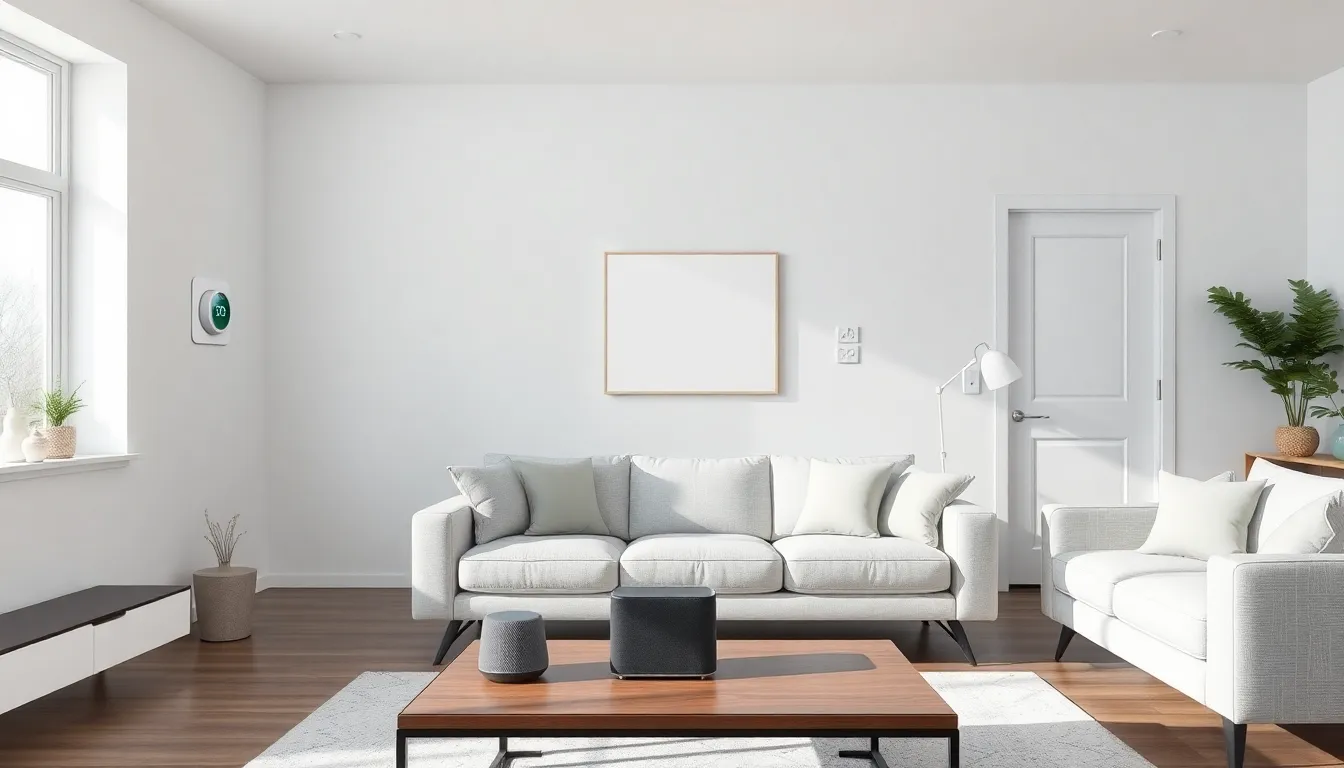
Home automation relies on several key components to deliver convenience and efficiency in daily life. Smart devices and central control systems form the backbone of this innovative technology.
Smart Devices
Smart devices serve unique functions throughout the home. These include smart thermostats, cameras, and light switches, which enhance comfort and security. They communicate with each other over the Internet, allowing real-time monitoring and control. With over 50 million smart speakers sold in 2020, user-friendly voice activation has become essential. Popular options like Amazon Echo and Google Nest continually evolve, fostering greater integration. Setting up smart devices requires minimal effort, enabling even less tech-savvy individuals to manage their home environment effortlessly. This accessibility drives the home automation market, which is projected to exceed $100 billion by 2025.
Central Control Systems
Central control systems act as the nerve center for home automation. These hubs connect multiple devices, creating a cohesive smart home ecosystem. By consolidating control through platforms like Apple HomeKit or Samsung SmartThings, users access various functionalities seamlessly. Enhanced user experience results from features like scheduling, automation, and remote access. Central control systems also streamline device management, reducing complexity for homeowners. As technology advances, integration with artificial intelligence improves automation capabilities, tailoring solutions to individual preferences. With growing consumer awareness and demand for smart home technology, these systems remain pivotal in shaping the future of the home automation business.
Market Trends in Home Automation
Home automation continues to grow rapidly, reflecting innovations in technology and evolving consumer demands. Trends indicate substantial market growth ahead.
Growth Predictions
Market projections suggest that home automation will surpass $100 billion by 2025. This forecast is fueled by advancements in connectivity and increasing competition among technology providers. The surge in smart device installations highlights a shift towards automated solutions for everyday tasks. Analysts emphasize that the rising demand for energy-efficient products is a key driver of this expansion. Companies that prioritize sustainability in their product designs often attract buyers seeking eco-friendly options. Expect that as more consumers adopt these technologies, the overall market will witness exponential growth over the coming years.
Consumer Preferences
Consumer preferences in home automation are shifting towards convenience and personalization. Many homeowners seek systems that integrate seamlessly with their existing devices, enhancing user experience. The popularity of voice-activated technology illustrates a desire for hands-free control. Instances of privacy concerns are shaping choices, leading to a preference for brands that emphasize data security. Customers express increasing interest in products that offer energy savings without compromising functionality. This focus on smart solutions encourages manufacturers to design user-friendly products that align with consumer expectations. Adapting to these preferences will significantly impact a company’s success in the home automation landscape.
Starting a Home Automation Business
Starting a home automation business requires careful planning and strategic decision-making. Entrepreneurs should focus on understanding the market landscape and consumer needs.
Conducting Market Research
Conducting market research plays a critical role in successfully launching a home automation business. Analyzing current trends helps identify opportunities within the sector. Gathering data on customer preferences and demands encourages informed product selection. Evaluating competitor strategies offers insights into potential gaps in the market. Utilizing surveys and focus groups strengthens understanding of homeowner concerns and interests.
Comprehensive research highlights the projected market growth exceeding $100 billion by 2025. Competitors, such as Google and Amazon, demonstrate leading strategies that can inform new entrants. Understanding these dynamics enhances the foundation for a successful venture.
Developing a Business Plan
Developing a business plan is essential for any new home automation startup. Establishing clear objectives sets a direction for business efforts. Identifying target customers enables tailored marketing strategies. Including a detailed budget outlines expected costs and potential revenue streams.
Outlining product offerings guides inventory management and service delivery. Strategy should incorporate the growing emphasis on energy efficiency and data security. Prioritizing these features will resonate with consumers as reflected in current market trends.
Utilizing the planned framework ensures alignment with evolving technologies and consumer expectations in the industry.
Challenges in the Home Automation Industry
Home automation faces several challenges that impact its growth and innovation. Addressing these challenges is essential for maintaining momentum in this rapidly evolving sector.
Technological Limitations
Technological limitations pose significant hurdles for the home automation industry. Many devices lack universal compatibility, creating integration difficulties for consumers. Security vulnerabilities also raise concerns; attackers can exploit weaknesses in connected systems. Furthermore, inconsistent internet connectivity can disrupt automation functions, leading to user frustration. Manufacturers often prioritize ease of use, but this may compromise advanced features that enthusiasts seek. As technology advances, overcoming these barriers requires collaboration between developers and manufacturers to create cohesive ecosystems.
Competition
Competition in the home automation market intensifies as new players emerge. Established corporations like Google and Amazon dominate, with extensive product lines and brand recognition. Emerging startups introduce innovative solutions, increasing options for consumers. Differentiating products becomes crucial; unique features or superior customer service can help smaller companies compete effectively. Companies must also adapt to changing customer preferences; personalization and energy efficiency are top priorities for today’s consumers. Staying relevant amidst this competition requires constant innovation and a strong understanding of market trends.
The home automation business represents a dynamic intersection of technology and convenience. As the market continues to expand, opportunities for innovation and customer engagement abound. Entrepreneurs willing to navigate the challenges of compatibility and security can thrive in this evolving landscape.
With a focus on energy efficiency and personalized solutions, businesses can meet the growing demand for smart home technology. By leveraging advancements in AI and connectivity, they can create seamless experiences that enhance everyday life. As the industry progresses, staying attuned to consumer preferences will be crucial for sustained success in this promising market.