
Imagine walking into your home and having the lights turn on, the coffee brew, and your favorite playlist start blasting—all without lifting a finger. Sounds like magic, right? Well, it’s not. Welcome to the world of DIY home automation, where turning your humble abode into a smart home is easier than convincing your cat to ignore the laser pointer.
Overview of DIY Home Automation
DIY home automation offers an efficient way to create a smart home tailored to individual preferences. Utilizing various devices and systems allows homeowners to enhance convenience and improve daily routines.
Benefits of Implementing DIY Home Automation
Cost savings represent a significant advantage of DIY home automation. Homeowners can avoid installation fees while designing systems specific to their needs. Increased energy efficiency comes from smart thermostats and lighting that adapt to usage patterns. Enhanced security is possible with smart cameras and alarms, easily monitored through mobile devices. Additionally, convenience plays a key role, allowing users to control appliances from anywhere via smartphones.
Common Challenges in DIY Home Automation
Complexity often creates barriers for individuals tackling DIY projects. Integrating different smart devices can prove challenging without a clear understanding of compatibility. Troubleshooting issues may arise, particularly for those unfamiliar with technical specifications. Limited technical support poses another difficulty, leaving users to navigate solutions independently. Budget constraints can also impact the scope of automation projects, leading to partial implementations rather than complete systems.
Essential Components for DIY Home Automation
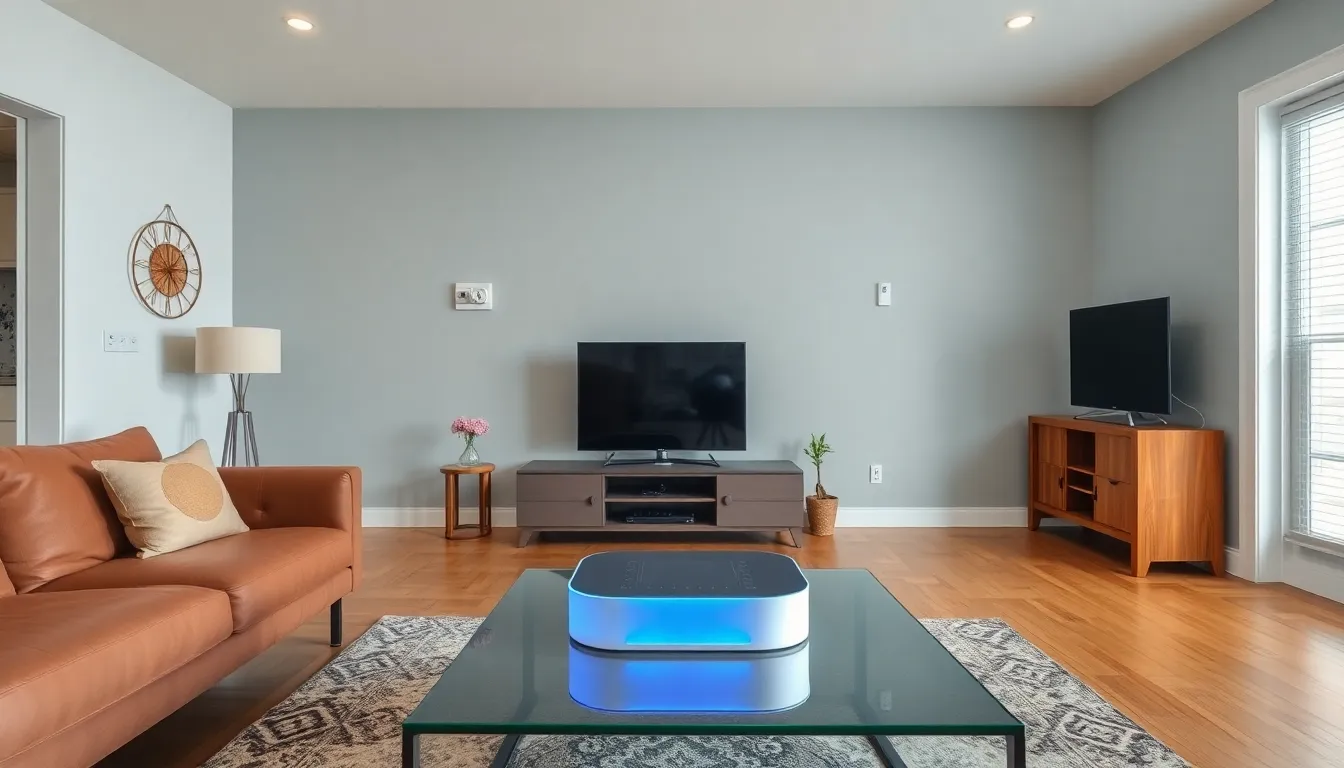
DIY home automation relies on several essential components that enable seamless integration and control. Understanding these elements can simplify the smart home setup process.
Smart Hubs
Smart hubs serve as the brain of the home automation system. They connect various smart devices and allow centralized control through a single interface. Popular options include Amazon Echo, Google Nest Hub, and Samsung SmartThings. Each hub supports different protocols, needing selection based on compatibility. A strong, reliable hub enhances communication between devices, ensuring smooth operation.
Sensors and Devices
Sensors and devices form the backbone of home automation. Various types include motion sensors, door/window sensors, and smart plugs. Motion sensors can trigger lighting when someone enters a room. Door/window sensors help monitor entry points for security. Smart plugs allow remote control of appliances, increasing energy efficiency. Selecting high-quality sensors ensures consistent performance and reliability within the system.
Controllers and Interfaces
Controllers and interfaces provide the means to interact with the automation system. Remotes, apps, and voice control devices allow users to manage settings effortlessly. Mobile apps often come with user-friendly interfaces, enabling real-time adjustments from anywhere. Voice control options, such as Amazon Alexa and Google Assistant, offer hands-free convenience. Integrating multiple control methods enhances user experience and improves overall system accessibility.
Popular DIY Home Automation Projects
DIY home automation projects can enhance daily living and offer remarkable convenience. Numerous options exist to transform a home into a smart sanctuary.
Smart Lighting Solutions
Smart lighting solutions enable homeowners to control lights remotely, ensuring energy efficiency. Devices like smart bulbs and switches integrate easily with existing fixtures, allowing for scheduled lighting or voice-activated commands. Homeowners benefit from ambient adjustments, like dimming lights based on the time of day or turning them on/off while away. Devices such as Philips Hue and LIFX provide versatile control through mobile apps. Affordable options exist, ranging from basic smart plugs to sophisticated color-changing bulbs. Enhancing ambiance becomes straightforward and dramatically transforms any room’s atmosphere.
Home Security Systems
Home security systems improved through DIY automation offer peace of mind. Security cameras, motion detectors, and smart locks provide comprehensive surveillance and access control. Brands like Ring and Arlo help monitor properties from smartphones. Homeowners can set alerts for unusual activity, ensuring timely responses. Integration with smart lighting can automatically illuminate areas when motion is detected, deterring intruders. Remote management of locks allows users to grant access to guests even when not home. Costs vary based on device types, yet a customized approach fits different budgets and security needs.
Climate Control Automation
Climate control automation enhances comfort and energy efficiency in homes. Smart thermostats, such as Nest and Ecobee, learn homeowners’ preferences for heating and cooling schedules. They adjust temperatures automatically based on presence detection, reducing energy waste. Remote access via mobile devices permits adjustments while away from home, ensuring optimal conditions upon arrival. Additionally, integration with sensors for humidity and air quality monitoring promotes a healthier living environment. Systems can provide insights into energy usage, helping homeowners reduce utility costs while maintaining comfort. Various models exist to match different household requirements and budgets.
Setting Up Your DIY Home Automation System
Creating a DIY home automation system involves a structured approach to ensure smooth integration and effective functionality. Following a clear guide helps streamline the process.
Step-by-Step Guide
- Choose a Smart Hub: Select a hub compatible with your devices. Amazon Echo or Google Nest Hub are popular options.
- Install Devices: Connect smart devices like lights, locks, and cameras. Follow the manufacturer’s instructions for each device.
- Set Up Sensors: Integrate motion and door/window sensors for enhanced security and automation.
- Configure Mobile Apps: Download relevant apps for managing devices. Connect each device through the app for control.
- Create Automation Routines: Program routines that fit your lifestyle. Schedule lights to turn on at sunset or set alarms for security alerts.
Tips for Troubleshooting
- Check Connectivity: Ensure all devices are connected to Wi-Fi. Unresponsive devices often indicate connectivity issues.
- Restart Devices: A simple restart can resolve many problems. Power cycle your smart hub and devices when issues arise.
- Update Firmware: Keep devices updated with the latest firmware. An outdated version may lead to functionality problems.
- Review App Settings: Double-check the settings in apps for correctness. Misconfigured settings can result in unexpected behavior.
- Consult Online Resources: Utilize forums and instructional videos. Many users share troubleshooting tips for specific devices that can assist.
Best Tools and Resources for DIY Home Automation
Numerous tools and resources simplify the DIY home automation journey. These options enhance the experience and ensure effective system integration.
Recommended Software and Apps
Smart home management begins with reliable software and apps. Home Assistant serves as a favorite choice, offering extensive customization options and device compatibility. For those seeking user-friendly interfaces, SmartThings provides seamless device integration and control. Additionally, IFTTT (If This Then That) automates interactions between different smart devices, enabling creative automation scenarios. A range of additional apps supports specific tasks, such as Tasker for Android automation and Alexa for voice control. Overall, selecting the right app enhances functionality and simplifies user engagement with automation systems.
Online Communities and Support
Engaging with online communities proves invaluable for DIY home automation enthusiasts. Platforms like Reddit’s r/homeautomation offer a wealth of knowledge and shared experiences. Facebook groups create spaces for users to ask questions and exchange tips. Forums such as the SmartThings Community provide dedicated discussions on devices, setups, and troubleshooting strategies. Exploring these resources fosters a sense of belonging while offering support throughout the automation process. Active participation in these communities enriches the DIY home automation experience and opens doors to new ideas and solutions.
Embracing DIY home automation opens up a world of convenience and efficiency for homeowners. With the right tools and resources anyone can create a personalized smart home that enhances daily living. The ability to automate tasks like lighting and climate control not only saves time but also contributes to energy efficiency and security.
While challenges may arise during the setup process the rewards far outweigh the hurdles. By leveraging online communities and reliable software homeowners can troubleshoot issues and find innovative solutions. DIY home automation isn’t just a trend; it’s a transformative approach to modern living that empowers individuals to take control of their environments.

