
Imagine walking into your home and having the lights turn on, the coffee brew, and your favorite playlist start playing—all without lifting a finger. Sounds like magic, right? Welcome to the world of DIY home automation, where you can transform your living space into a smart haven without breaking the bank or calling in a tech wizard.
Understanding DIY Home Automation
DIY home automation refers to the process of controlling various home systems through automation technology. This concept allows homeowners to enhance their living spaces with smart devices that simplify daily tasks.
What Is DIY Home Automation?
DIY home automation involves creating a network of smart devices that can be controlled remotely. Homeowners can connect lights, thermostats, and security systems to a centralized hub or use smartphone applications. Wireless protocols like Wi-Fi and Zigbee facilitate communication among devices, allowing for seamless integration. A basic example includes programming lights to turn on and off at specific times, making home management efficient and cost-effective.
Benefits of DIY Home Automation
DIY home automation offers several advantages that appeal to homeowners. First, cost savings are significant since it eliminates the need for professional installation. Flexibility also plays a role, as devices can be added or modified easily to fit changing needs and preferences. Enhanced security is a major benefit, enabling users to monitor their homes remotely. Energy efficiency emerges through automated systems that optimize usage based on user habits. Overall, these benefits contribute to a more convenient and manageable living environment.
Getting Started with DIY Home Automation
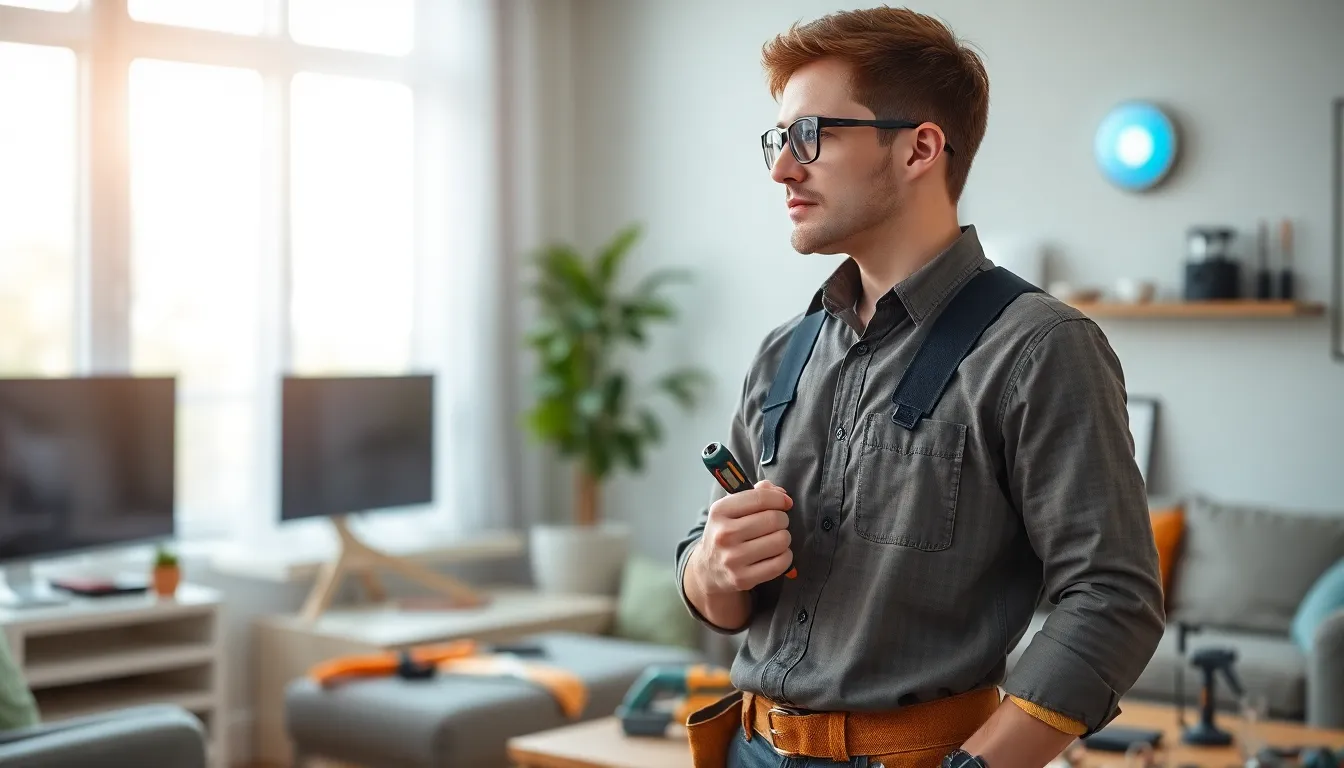
Embarking on a DIY home automation project requires some preparation and knowledge. Understanding the necessary tools and selecting the right devices makes the process smoother.
Essential Tools and Equipment
Essential tools include a reliable screwdriver set, a multimeter for measuring voltage, and wire strippers. Smart hubs, such as Samsung SmartThings or Amazon Echo, enable centralized control of devices. Installing wiring may require a drill and electrical tape for safety. Additionally, having access to a computer simplifies updating firmware or managing connections. These tools help ensure a successful setup.
Choosing the Right Smart Devices
Choosing smart devices requires consideration of compatibility and purpose. Smart lights like Philips Hue work well with multiple hubs. Thermostats such as Nest provide energy-efficient climate control and integrate easily. Security cameras from Arlo offer remote monitoring straight from a mobile app. Devices that support Zigbee or Z-Wave protocols enhance connectivity. Prioritize user-friendly options to simplify installation and daily use.
Popular DIY Home Automation Projects
Numerous DIY home automation projects can improve comfort and efficiency at home. From smart lighting to security solutions, homeowners can create a customized smart living experience.
Smart Lighting Systems
Smart lighting systems offer control through smartphones or voice commands. Homeowners can schedule lights to turn on or off, set dimming preferences, and change colors based on mood. Philips Hue smart bulbs represent a popular option that integrates seamlessly with various hubs. Automation enhances energy efficiency by ensuring lights operate only when needed. Customizing lighting based on routines adds convenience and security, simulating occupancy when away.
Smart Thermostats
Smart thermostats provide precise control over heating and cooling. Popular devices like Nest or Ecobee adjust temperatures based on user habits, promoting energy savings. Homeowners can access and adjust settings remotely through mobile apps. Scheduling features allow for temperature changes at specific times, maximizing comfort throughout the day. Integration with HVAC systems improves overall efficiency, benefiting both the environment and monthly bills.
Security and Surveillance Solutions
Security and surveillance solutions enhance home safety without professional installation costs. Smart cameras from brands like Arlo and Ring provide real-time monitoring accessible via smartphones. These devices can send alerts for suspicious activity, contributing to peace of mind. Homeowners can automate lighting to deter intruders by simulating activity. Integrating door and window sensors with mobile notifications strengthens security measures.
Setting Up Your DIY Home Automation System
Setting up a DIY home automation system requires careful planning and consideration. Homeowners can create a smart environment that enhances their lifestyle through strategic device integration.
Integration with Voice Assistants
Voice assistants play a crucial role in DIY home automation. Popular systems include Amazon Alexa, Google Assistant, and Apple HomeKit. Voice commands allow users to control smart devices hands-free. Home automation setups often link with these assistants for seamless operation. Integration simplifies tasks like adjusting lighting and managing entertainment systems through simple vocal prompts. By using routines, owners can program specific commands to execute multiple functions simultaneously. For example, saying “Goodnight” might prompt the home to turn off lights and lock doors.
Creating Automation Routines
Creating automation routines enhances the functionality of a smart home. Routines automate multiple actions with a single command, streamlining everyday tasks. Homeowners can set up schedules for lighting, heating, and security systems. For instance, a morning routine can gradually brighten lights and set the thermostat to a comfortable temperature. These routines adapt to user habits, providing personalized responses that enhance energy efficiency. Smart device apps typically offer user-friendly interfaces to configure and modify these routines easily. Regularly reviewing and adjusting routines ensures they continue meeting user needs and preferences.
Troubleshooting Common Issues
DIY home automation systems can encounter various issues. Understanding how to resolve these problems leads to a smoother smart home experience.
Connectivity Problems
Connectivity issues often disrupt the operation of smart devices. When devices fail to respond, restarting the router and taking a closer look at the Wi-Fi signal can help. Devices located far from the router may experience weak connections. In situations involving Zigbee or Z-Wave devices, ensuring that the hub remains within range is crucial. Also, interference from other electronics can cause disruptions, so consider relocating devices as needed to improve connectivity.
Device Compatibility
Incompatible devices may lead to frustration during setup. Checking the compatibility of smart devices with the chosen hub prevents numerous problems. Some manufacturers provide lists of compatible products, making it easier to find devices that work together. When adding devices, prioritize those that support widely used protocols, such as Zigbee or Z-Wave. Verifying software updates for both the hub and devices ensures optimal functionality and enhances communication between all components.
Embracing DIY home automation opens up a world of convenience and efficiency. Homeowners can effortlessly control their living spaces while enjoying the benefits of cost savings and enhanced security. With the right tools and a bit of planning anyone can transform their home into a smart haven.
By integrating user-friendly devices and voice assistants homeowners can create personalized routines that adapt to their lifestyles. This not only simplifies daily tasks but also promotes energy efficiency. Troubleshooting common issues further ensures a smooth experience.
Ultimately DIY home automation empowers individuals to take control of their environment. It’s a rewarding journey that offers both practicality and satisfaction.

