
In a world where forgetting your keys feels like an Olympic sport, automated door locks are the MVPs of home security. Imagine breezing through your front door without fumbling for keys or doing the awkward dance of trying to unlock while juggling groceries. With just a tap on your smartphone or a simple voice command, you can unlock your door faster than you can say “Where are my keys?”
These high-tech wonders not only save time but also boost your home’s security. Say goodbye to the days of hiding spare keys under the doormat or trusting that one friend who always forgets to return them. Automated door locks offer peace of mind with features like remote access and real-time alerts. So why stick to the old-fashioned way when you can embrace the future of convenience and safety? Unlock the possibilities and discover how automated door locks can transform your daily routine.
Overview of Automated Door Locks
Automated door locks represent a significant advancement in home security technology. These locks integrate smart technology, allowing homeowners to control access remotely through smartphones and smart devices. Convenience plays a crucial role, as individuals no longer juggle physical keys for entry.
Users can unlock their doors using mobile applications or voice commands, simplifying the process of entering their homes. Remote access features let homeowners grant entry to guests without being present. This functionality proves especially beneficial for those with busy schedules or frequent visitors.
Security is greatly enhanced with automated door locks. Many models come equipped with real-time monitoring, sending alerts directly to users’ smartphones. This immediate feedback enables quick responses to potential security breaches. Furthermore, advanced encryption methods protect sensitive data, ensuring that unauthorized access remains unlikely.
Energy efficiency also factors into the design of some automated door locks. Battery life can extend for months, depending on usage and model, meaning less frequent replacements. Some locks even include features that alert users when battery levels are low, further ensuring reliability.
Various brands offer distinct features that cater to different needs. For example, some locks provide integrations with home security systems, while others focus on user-friendly interfaces. The choice of lock typically falls to personal preference, taking into account specific security requirements and lifestyle.
Exploring automated door locks opens up a world of options for enhancing home safety and accessibility. Ensuring a secure environment has never been easier with these sophisticated devices. Installing an automated door lock adds both convenience and peace of mind to daily routines.
Types of Automated Door Locks
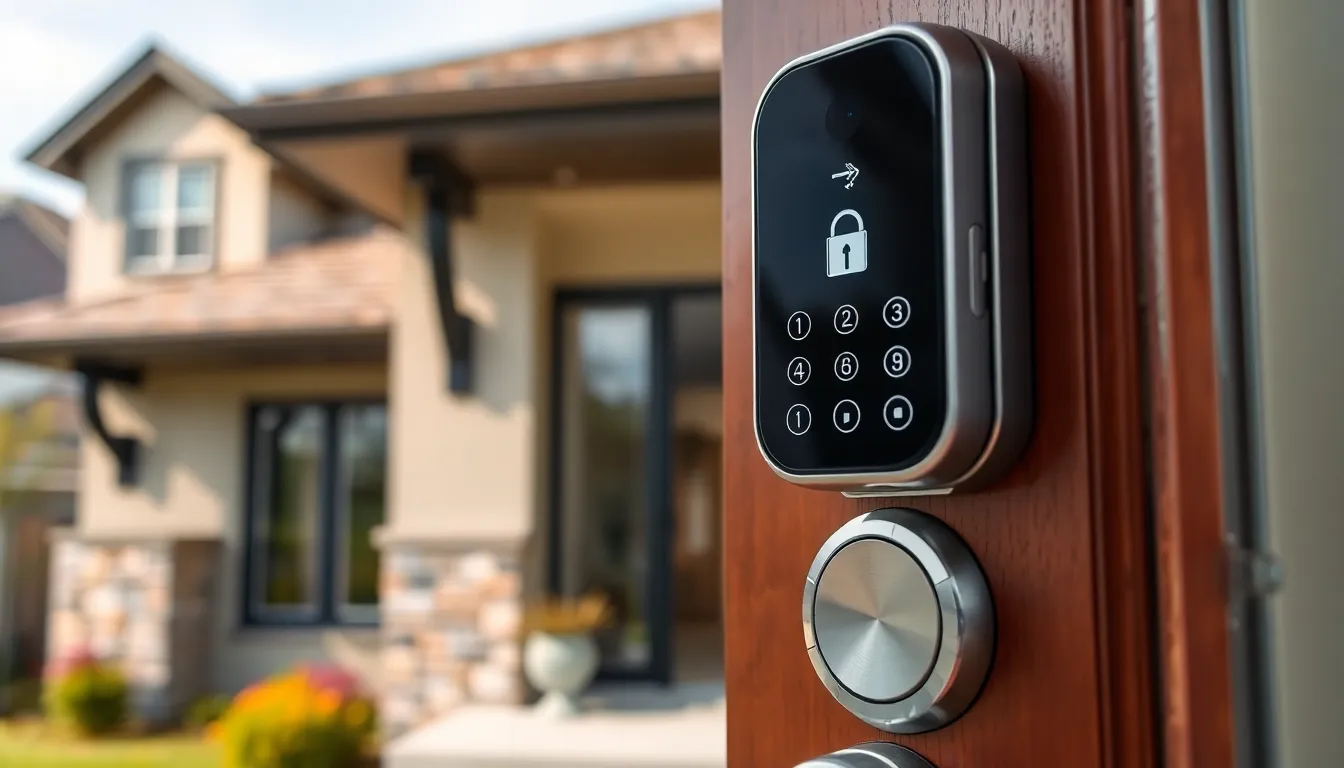
Automated door locks come in various types, each offering unique features for enhanced security and convenience. Two popular categories include smart locks and keyless entry systems.
Smart Locks
Smart locks integrate advanced technology to provide secure access control. Users operate these locks via smartphones, allowing them to lock or unlock doors remotely. Many smart locks feature compatibility with home automation systems, enabling users to create personalized access schedules. Alerts notify homeowners when doors are accessed, ensuring constant monitoring. Some models even support voice commands through virtual assistants, simplifying access even further.
Keyless Entry Systems
Keyless entry systems eliminate the need for traditional keys altogether. These systems use PIN codes, key fobs, or smartphone applications for access. Users benefit from the ability to grant temporary access codes to guests, an ideal solution for short-term visitors. Owners can easily change codes, enhancing security without the need for physical keys. Some systems even include touchscreens for seamless user interaction, improving accessibility and user experience.
Benefits of Using Automated Door Locks
Automated door locks provide numerous advantages, particularly in security and convenience. These innovative devices cater to modern needs with advanced features and technology.
Enhanced Security
Enhanced security represents a core benefit of automated door locks. They incorporate advanced encryption methods, which significantly reduce the risk of unauthorized access. Real-time alerts notify homeowners about door activity, providing immediate awareness of any unusual events. Additionally, many models utilize geofencing technology that automatically locks doors when users leave a designated area. Smart locks also support two-factor authentication, adding an extra layer of protection against potential intruders. Integrating secure access control, these locks ensure that only authorized individuals can enter the home.
Convenience and Accessibility
Convenience and accessibility play vital roles in the appeal of automated door locks. Users can unlock doors through smartphones or voice commands, eliminating the need for physical keys. Granting access to guests occurs instantly, allowing homeowners to issue temporary codes for short visits. Many automated locks also offer customizable access schedules, making it easy to set time-limited permissions for service personnel. Remote access capabilities enable homeowners to lock or unlock doors from anywhere in the world, providing peace of mind. With long battery life and low battery notifications, users stay informed, ensuring their homes remain secure without interruptions.
Installation and Setup
Installing automated door locks requires careful attention to specific steps for optimal functionality. Check the compatibility of the lock with door types, ensuring that it fits standard door frames. Gather necessary tools, typically including a screwdriver and a measuring tape, to facilitate the process.
Prepare the door by removing the existing lock hardware. Ensure any old screws, strike plates, or latch components are fully detached before proceeding. Measure the door’s thickness, as some automated locks cater to various lock sizes, ensuring the correct model is chosen.
Follow the manufacturer’s instructions for mounting the lock. Align the lock’s body with the existing holes or prepare new holes as directed. Securing the screws tightly prevents any wobbling and ensures durability over time.
Connect the lock to the Wi-Fi network if applicable. Most smart locks facilitate this through accompanying smartphone apps. Download the designated app and follow prompts to establish the connection, often requiring a QR scan or Bluetooth pairing.
Customize settings within the app for user access. This includes creating unique codes for temporary guests, programming custom access schedules, or adjusting alert preferences for door activity. Personalization enhances both security and convenience, accommodating individual needs.
Test the automated door lock thoroughly after installation. Confirm that it responds correctly to inputs from smartphones and other devices. Lock and unlock multiple times to ensure consistent performance and make adjustments as needed to optimize functionality.
Maintain the lock regularly to prevent issues. Check for software updates periodically and replace batteries when low. Keeping the device updated enhances security features and guarantees reliability, solidifying the lock’s role in home safety.
Potential Drawbacks
While automated door locks offer numerous advantages, certain drawbacks require consideration.
Cost Considerations
Investing in automated door locks generally incurs higher upfront costs compared to traditional locks. Prices range from $100 to over $300, depending on features and brand reliability. Additionally, installation costs may arise if professional assistance is needed. Long-term expenses include battery replacements and potential subscription fees for advanced monitoring services. Budget constraints may limit some homeowners’ ability to adopt these high-tech solutions.
Technical Issues
Technical problems can manifest with automated door locks. Connectivity issues might arise from weak Wi-Fi signals, causing locks to become unresponsive. Software glitches can disrupt access and lead to frustration. Compatibility is crucial; some locks may not integrate seamlessly with existing smart home systems. It’s essential to evaluate potential technical challenges before making a purchase.
Automated door locks offer a modern approach to home security that blends convenience with advanced technology. By allowing effortless access through smartphones and voice commands they simplify daily routines while enhancing safety. With features like remote access real-time alerts and customizable settings homeowners can tailor their security to fit their lifestyles.
Despite potential drawbacks such as initial costs and technical issues the benefits of these locks often outweigh the challenges. As technology continues to evolve automated door locks are becoming an essential component of smart home systems. Embracing this innovation not only improves home security but also provides peace of mind in an increasingly connected world.

